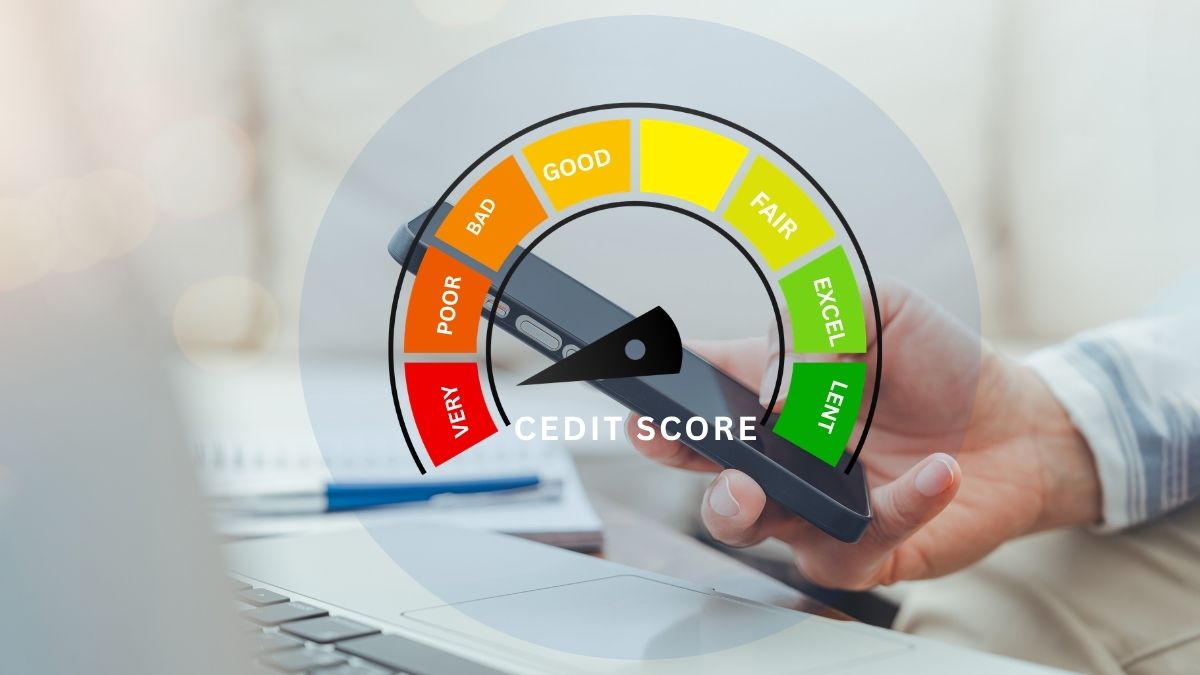

When you submit a loan application, lenders determine your affordability before approving your application. A number of factors they look at in order to decide whether you can repay the debt on time. Your credit score is among them.
Information that lenders usually check before approving your loan application
Here is what lenders check before approving your loan application:
Information in your credit report
Your credit score is an important factor as it reveals your financial comportment. A golden rule of thumb says that you should have a good credit rating to qualify for lower interest rates, but if your credit rating is not stellar, you can still apply for bad credit loans, but they charge high interest rates.
Lenders can get a copy of your credit file from any agency, but they do not consider the credit score that credit bureaus calculate. They only use credit information given in your credit file and use their own formula to calculate your score. If your credit score is impressive, they will offer you less expensive deals.
In order to determine your credit rating, they will check:
- Payment history (missed and late payments are red flags)
- County court judgments
- A credit utilisation ratio which must be below 30%.
- A length of credit history
- Mix of credit types (demonstrate your ability to handle multiple types of loans such as emergency loans, credit cards, and instalment loans)
Even though you are looking for small emergency loans for bad credit, lenders will check your credit score. Make sure that it is not worse.
Income & Affordability
Your credit score informs lenders of your past payment behaviour. This is not enough for them to make a decision. They would like to know whether you can afford to pay this time, and therefore they would also examine your income sources.
You will need proof of income.
- You must have payslips for the last three to six months.
- A bank statement
- Tax returns (for self-employed borrowers)
By checking your affordability, lenders mean your credit file and income sources. Do not assume that your high income can offset the impact of an abysmal credit rating.
A debt-to-income ratio
This ratio suggests how much debt you owe against your income. This does not affect your credit score, but lenders take this into account to ensure that taking on a new loan will not make payments difficult.
A debt-to-income ratio should not be more than 40%. However, it does not guarantee that you will get a loan approved if this ratio is lower than that. Lenders will evaluate whether your budget will be able to comfortably fit in another debt.
Employment status
The next important thing that lenders consider while approving your loan application is employment stability. It is vital that you have been serving the same employer for a long time. If you keep switching between jobs, it will be deduced that you are sacked because of behavioural or other issues.
Full-time and permanent employees are more likely to get approval. Self-employed borrowers need to demonstrate at least 2 years of experience. Part-time workers and freelancers can also get approval provided they have a stable income source.
If you are retired, you can qualify for the best loans for pensioners in the UK based on your pension. If you have any passive income source such as rental income, you can include that.
The deposit and collateral
If you are looking to take out a mortgage or a car loan, you will have to arrange a deposit, which needs to be at least 10% of your house or car’s value. However, if your credit score is not stellar, you will need to arrange a larger deposit. The size of the down payment will be at least 20%.
At the time of lending money, lenders also carefully examine the worth of security. Lenders ensure that the asset you pledge as collateral is worth more than the loan amount, so they can recover their money more easily if you default.
Loan purpose
When you borrow a small amount of money, lenders are not concerned about the usage. You are free to use the funds the way you want, but when you borrow a large amount of money, they would like to know about the purpose.
For instance, you will need to inform them of the reason for taking out a personal loan. You cannot use these loans for a business purpose. Lenders restrict some loans for specific purposes.
How to improve your chances of getting qualified for a loan
Here is how you can ameliorate your chances of approval:
- You should carefully check your credit report. Ask for a free copy of your credit file from all three credit reference agencies.
- You should reduce existing debt. It would be better if you did not owe too many small loans.
- Avoid multiple loan applications within a short period of time.
- Get prequalifying offers if you need a large amount of money.
To wrap up
Lenders will carefully examine your affordability before signing off on your loan application. They will look over your credit score and income sources. In addition, they will assess your debt-to-income ratio. They approve a loan only when you demonstrate your ability to easily manage payments despite changes in your financial circumstances.
FAQs
Do lenders check credit scores for less than £500 loans too?
Yes, they will check your credit history for less than £500 loans too. This helps them understand your past payment behaviour. No responsible lender can approve your application without a credit check.
Are there any loans that come with no credit checks?
Loans with no credit checks are not available. Some loans may not involve hard credit checks, but the lending decision is made by soft checks.
What loans involve soft credit checks?
All loans that are up to the size of £500 require soft credit checks. However, if you borrow money more than that, you will have to face hard credit inquiries.
Can I get a loan if my debt-to-income ratio is above 40%?
Yes, you can, but you will need to demonstrate your ability to manage payments of a new loan without struggling to keep up with other expenses, including current debt payments.
Can I secure small loans to qualify for lower interest rates?
Small loans are unsecured loans. Even if your credit rating is not perfect, you cannot secure them against an asset. Lenders will assess your repayment capacity. If you cannot afford them, they will reject your application.

Emma Anderson is a seasoned financial writer and consultant. She has more than eight years of experience in the UK financial and loan sector.
She is so passionate about financial literacy and responsible borrowing. Therefore, Emma has gained specialisation in explaining everything about complex loan products and financial management planning for every borrower.
Before joining the team at Quickloanslender, Emma worked as a financial advisor. She helped number of the UK locals in solving the problems related to their debt consolidation and short-term credit. She has an aim of providing clear, transparent, and actionable advice for everyone. It lets her readers making informed loan decisions according to their affordability.
Each blog, written after deep research, to have personal budgeting tips and financial education.