When taking out a loan or a credit card, your credit history is thoroughly checked. There are two types of credit checks: hard and soft. They serve different purposes and have different impacts on your credit score.
Credit checks are inquiries into your credit report that lenders make to know your past payment behaviour. You might have a strong income source, but it does not make it certain that you will keep up with payments. By analysing your credit report, lenders figure out whether you adhered to payments in the past or not.
What is a soft credit check?
A soft credit check is a type of inquiry that does not pull your credit points. It is just a background check of your credit history, often made for pre-qualification purposes. Here are examples of when soft inquiries are made:
- When you examine your own credit rating
- When a lender pre-approves your application (in the case of unsecured loans and mortgages)
- When an employer runs a background check, it needs your prior permission
- When insurance companies offer premiums
- When landlords do background checks
Not every time is your permission required to conduct soft checks, but they are not reported to credit bureaus. Therefore, they do not lower your credit score.
What is the difference between soft and hard credit checks?
Unlike soft credit checks, hard inquiries affect your credit score. Each inquiry pulls at least five points. Multiple hard inquiries can wreak havoc on your credit report. The following table reveals the difference between both types of credit checks:
| Aspects | Soft credit inquiries | Hard credit inquiries |
| Impact on credit score | No impact at all | Lowers your score temporarily |
| Purpose | Background check | Done for a loan approval |
| Visibility | Not visible to lenders | Visible to lenders |
| Consent needed | Implicit | Explicit |
Why do soft credit checks matter?
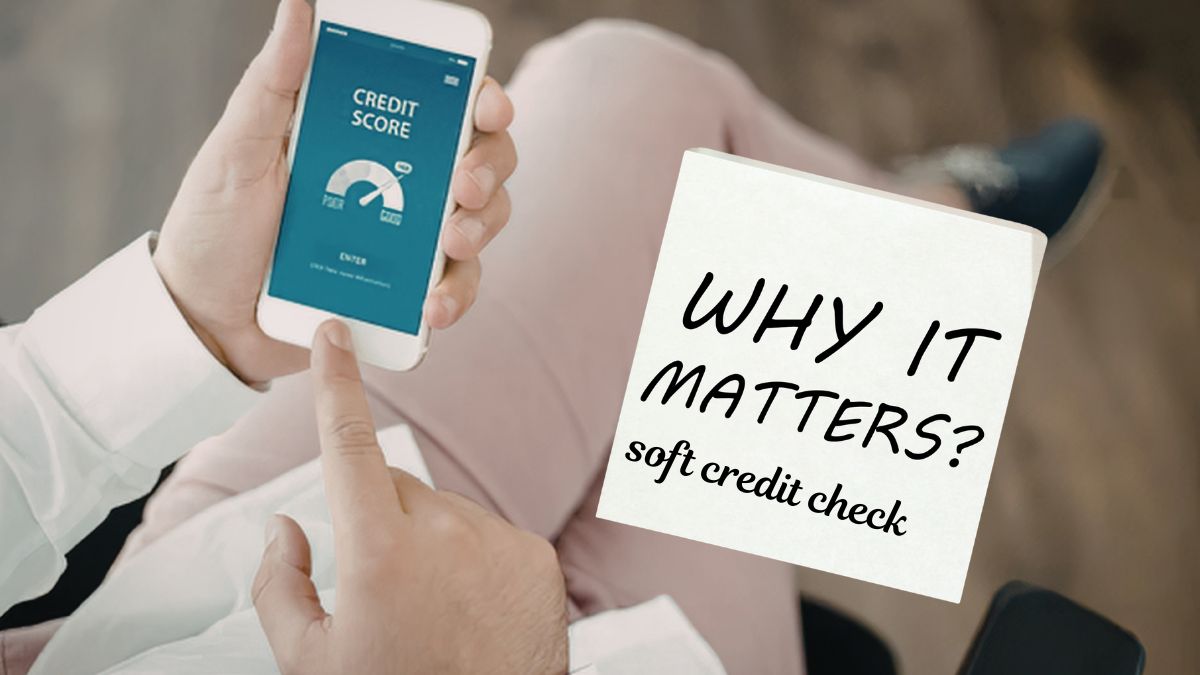
Soft inquiries are harmless. No matter how many times you check your credit score, it will never hurt your credit rating. Though borrowers find soft checks irrelevant, they still contribute to the health of your credit score.
- They help you stay informed
Checking your own credit score ensures that your credit report does not contain unidentified accounts and erroneous information that lower your credit score. You might be the victim of identity theft. It is impossible to know about errors in your credit report without checking it. If you find any errors, you can dispute them. Credit reference agencies take at least a month to fix them.
- Soft checks enable pre-qualification
Lenders often use soft checks to offer you pre-approval letters. If you are to apply for no guarantor loans or mortgages, you can receive quotes from multiple lenders. The comparison will help you find an affordable deal. Prequalification offers are made without extensive credit checks, and hence they do not affect your credit score.
- They maintain transparency
Soft checks are helpful to evaluate the risk involved. Knowing this helps you know whether you need to improve your credit score. You can know your past financial mistakes and avoid them in the future.
- They encourage responsible borrowing
With the help of soft credit checks, you can easily determine estimated interest rates, repayment terms and APRs. Though actual rates will be higher than this, there is still a possibility of adjusting your budget.
What are the misconceptions about soft credit checks?
Misconceptions to be dispelled are as follows:
Soft credit inquiries are invisible
Both hard inquiries and soft inquiries are recorded in your credit report, but credit bureaus maintain your credit report in two categories – consumer-view and lender-view. Lenders cannot see these inquiries. They are only visible to you. Soft credit inquiries do not help lenders to make a lending decision.
Soft credit checks ensure approval
Even though you have received a pre-qualifying offer, it does not imply that you will get approval from a lender when you formally apply for a loan. Lenders make an approval decision only after running hard inquiries.
Soft credit checks do not matter at all
Some borrowers assume that soft credit checks are worthless. They cannot help you in any way. The fact is that they can let you gain insight into how lenders will perceive you without affecting your credit score.
The final word
A soft credit check cannot change your credit score, but it can help increase your awareness about your current credit rating. They will help you know how likely you have chances of getting qualified for a loan. You can fix your credit score if you find that your credit report contains some erroneous information.
FAQs
Do small emergency loans require soft credit checks?
Whether you are taking out very bad credit loans from direct lenders or small car repair loans, your credit score will be checked. However, if the loan amount is less than £500, lenders will run soft checks and make the decision based on your income sources.
Who performs soft credit checks?
Employers, lenders (in case of pre-qualifications), insurance companies, and landlords run soft credit checks. In fact, when you check your credit score, a soft inquiry will be recorded.
Does Quickloanslender run soft checks?
Yes, Quickloanslender makes soft inquiries in two cases: when you want to get pre-qualified for unsecured loans and debt consolidation loans and when you are borrowing a small emergency loan, which is not more than worth £500.
How long do soft inquiries remain on your credit file?
Soft inquiries remain for up to two years, but they are not visible to lenders. They do not hurt your credit score.
Can you refuse soft checks?
There are some cases when you can refuse it. For instance, your employer or landlord will have to get your consent to look into your credit report. It is up to you whether or not you consent, but withdrawing consent means struggling to find rented accommodation and a job with your employer.

Emma Anderson is a seasoned financial writer and consultant. She has more than eight years of experience in the UK financial and loan sector.
She is so passionate about financial literacy and responsible borrowing. Therefore, Emma has gained specialisation in explaining everything about complex loan products and financial management planning for every borrower.
Before joining the team at Quickloanslender, Emma worked as a financial advisor. She helped number of the UK locals in solving the problems related to their debt consolidation and short-term credit. She has an aim of providing clear, transparent, and actionable advice for everyone. It lets her readers making informed loan decisions according to their affordability.
Each blog, written after deep research, to have personal budgeting tips and financial education.