A good credit score is a reflection of your timely payment of bills and debts. But it is in numerical form, and different credit reference agencies have different numbers for that. But attaining a good score needs self-discipline in financial life. Timely payment of bills and debts is required to keep your credit score high.
Besides this, there is much more to know about the score and how it affects financial lives in the UK. The guide below will reveal the nooks and crannies of credit score and its role throughout your life in making a stable future.
What is a Credit Score?
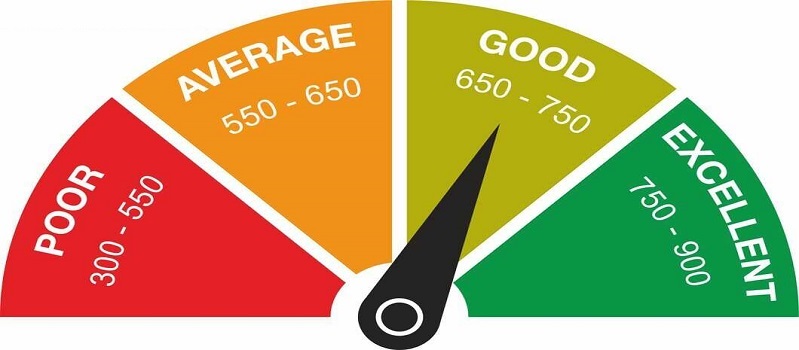
A credit score is a three-digit number that denotes your creditworthiness. It tells your ability to repay loans or credit on time. Hence, your ability to manage obligations is what affects your credit score. The higher the credit score, the stronger the repayment ability; the lower the score, the weaker the repayment ability.
What is a decent credit score in the UK?
As per credit reference agencies, the credit score range may vary. There can be a general idea about a decent credit score, but there is no universal scoring system.
| Credit reference agency | Excellent | Good |
| Experian | 961–999 | 881–960 |
| TransUnion | 466–700 | 420–465 |
| Equifax | 628–710 | 604–627 |
A quick summary
A credit score is a reflection of your reputation in the finance industry, especially in loan or credit providing companies. It affects and shows your ability to –
- Get approval on loans, credit cards, and mortgages.
- Access a better rate of interest and terms in a loan.
- Rent property or get utility connections easily.
What is Considered as a “Good” Credit Score in the UK?
As you read above, there is no decided number for a good credit score, as all credit reference agencies have different ranges. But surely there can be indicators of good financial behaviour. These are –
- Consistent repayment history
- You don’t overuse available credit
- Successful management of multiple credit accounts.
- A perfect credit mix that has all types of credit
A responsible financial behaviour always helps you get a smooth approval for all types of long-term and short-term loans.
How is the UK credit score calculated?
By using the following factors, credit reference agencies calculate your credit score. These factors showcase your financial management and borrowing behaviour.
- Payment History – This tells whether you have paid your debts and bills on time in the past. Delayed or missed payments affect your credit score negatively. Hence, always pay obligations on time.
- Amounts Owed – This shows how much of the available credit is used. The ideal percentage is 30% of the total available credit limit. A high utilization ratio indicates overuse of available credit, which is considered a strain on your financial life. This lowers your credit score.
- Length of Credit History – Longer duration of credit accounts shows a stable financial life. It helps lenders understand your financial behaviour over a long history.
- Credit Mix – If you have different types of credit accounts, such as mortgage, car finance, and personal loans, it indicates that you can handle all types of loans. An excess of one kind of credit disturbs the balance of the credit mix, affecting your credit score.
- New Credit Application – Applying for multiple credit products can adversely affect your credit report. This is because every time you apply to a lender, your credit score degrades due to a hard credit check. Also, avoid applying to multiple lenders for one loan type.
How do I check my credit score for free in the UK?
There are three main UK credit reference agencies where you can check your credit score for free.
- Experian –co.uk
- TransUnion – co.uk
- Equifax – com
The agencies offer free reports as well as suggest ways to get a rise in your credit score.
How to improve your Credit Score?
If you constantly work on the following suggestions, you can improve your credit score.
- Paying your bills on time – You need to pay all the bills, like utility, gas bills, etc, on time. Otherwise, your credit score may drop sharply.
- Manage credit accounts well – Do not close old credit accounts, even if it is unused. As long as you are managing it well, don’t close it. Also, do not max out your credit cards.
- Use a Credit Monitoring Service – Keep a record of score changes or suspicious activities through a credit monitoring service. You can take necessary actions in a timely manner.
- Limiting applications – Apply for a new loan only when you need the funds for a real and urgent need. Applying to lenders for a loan can show you as credit-hungry. However, for instant decision despite bad credit, Quickloanslender is a dependable choice. But repayment ability should be strong.
- Registering to vote – Get registered on the electoral roll, as that authenticates you as a citizen of the United Kingdom. This helps loan companies verify your identity, which improves credit rating.
- Build a Mix of Credit (Over Time) – Do not use one type of credit only. Use a mix of credit, such as personal loans, credit cards, mortgages, car loans, etc. One type of credit causes a fall in credit score, showing an imbalance in your financial life.
Options for Building Credit from Scratch
If you have a limited or no credit history, use the following ways to build credit.
- Become an Authorized User – Ask any of your family members or friends to make you an authorised user of their credit card. If they make timely payments on their card, your credit profile will build gradually.
- Secured Credit Card – You can build credit safely by using a secured card, for which you need to deposit an amount as security. It is an assured way to build a credit record.
- Credit-Builder Loan – It is a type of loan for which repayments are reported to credit reference agencies. This helps build a credit record. Just make sure you pay timely instalments.
- Report Utility/Rent Payments – Some utility provider companies allow you to report your rent or utility payments to the credit reference agencies.
What are the Benefits of Having a Good Credit Score?
A good credit score has many benefits for your personal and financial life. All your short-term and long-term financial planning works smoothly if you have a high credit score.
- Higher loan approval chances – Loan companies chase applicants with a good credit score. Hence, approval chances are always better.
- Higher credit limits – You can get a bigger loan amount and can qualify for a bigger credit limit.
- Lower interest rates – Getting loans at a lower cost becomes possible if you pay your existing debts on time.
- Greater financial stability – Due to a high credit rating, you get good investment, insurance, and loan deals. All are vital for a stable life.
Conclusion
The information above about credit score and its role in your life explains why you need to work on your payment behaviour. The more disciplined you are in paying debts and bills, the faster the growth. Also, managing credit accounts is vital. Keep the old ones open, maintain the right credit mix, and take a loan only when you need.
FAQs:
What is a good credit score?
A good credit score is a number showing high repayment ability. You attain a good score when you make timely payments of loans and your utility bills. Also, not overusing the credit limit helps improve the credit score.
What is the Difference Between a Credit Score and a Credit Rating?
Here is the difference between the two –
| Aspect | Credit score | Credit rating |
| Definition | A three-digit number that presents an individual’s creditworthiness. | An evaluation of a company’s or government’s creditworthiness in the form of a category or grade. |
| Who it applies to | Consumers or individuals | Corporations, businesses or governments. |
| Assessed by | Credit reference agencies (Equifax, Experian, TransUnion) | Credit rating agencies (Moody’s, Standard & Poor’s, Fitch). |
| Purpose | Help lenders decide whether to approve loans to an individual or not. | Help investors decide whether to invest in or lend to a company or government project. |
What is the Average Credit Score in the UK?
The average credit score varies according to credit reference agencies. Here is the list –
- Experian – 760
- Equifax – 380
- TransUnion – 610
What is a bad credit Score Report?
A bad credit report shows a history and record of missed, delayed payments, defaults, high debt levels, and County Court Judgements. It signals a high-risk profile to lenders. As a result, the bad credit applicant has lower approval chances. In case of approval, the interest rate will be high.

Emma Anderson is a financial advisor at Quickloanslender who always believes in researching hard to know her clients’ financial problems. She takes the time to understand their financial wants and needs to write the blogs on them as the solutions. In her long 14 years of experience, she has written plenty of blogs on the financial and business sectors of the UK.
Emma Anderson has been recognised for her work in financial planning and her blogs are regularly published in the website of Quickloanslender. As far as her educational qualification is concerned, she has done Masters in Accounting and Finance, and done PG Diploma in Creative Writing.