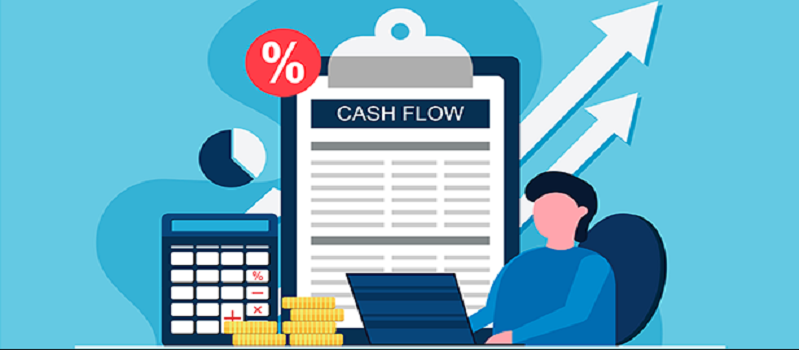
To stay alive, day to day, cash flow makes your business alive. It is real money in your company accounts, and not only the numbers on a spreadsheet. Your household budget skills enable you to control the company’s cash flow. Those values that apply in the house alsbacko apply in your firm. You are able to monitor all pounds entering and leaving.
Quickloanslender offers fast decisions. Their easy application saves valuable time. They recognise small business issues. They offer all-purpose alternatives that are compatible with your circumstances.
What Is Cash Flow?
Cash flow refers to a flow of money into and out of the business. You can think of it as watching the actual pounds going in and coming out of your account.
Most business owners focus too much on sales figures but forget that invoiced work isn’t cash until it’s paid. Your business might look great on the profit and loss statement, but still struggle to pay bills.
- Cash flow affects day-to-day operations more directly than profit figures
- A strong cash position lets you grab unexpected opportunities
- Regular cash flow reviews help spot trends before they become problems
Being cash poor doesn’t always mean your business is failing. You might have plenty of sales, but payments haven’t arrived yet. This happens to businesses of all sizes.
The Three Types of Cash Flow
The different types of cash flow help you manage your business. Let’s break them down.
1. Operating Cash Flow
This is the money from your everyday business activities. It’s the cash generated by what your company actually does. Staff wages, rent for your shop, bills, and stock purchases are operating cash going out. Operating cash flow is the most important type to track. The healthy businesses generate positive operating cash flow most months.
2. Investing Cash Flow
Purchasing new equipment, computers, vehicles, or property all count here. So does selling old assets you no longer need. This cash flow is usually negative for growing businesses as they invest in expansion. Investing cash flow isn’t about daily operations. It shows how much you’re spending to build long-term value.
3. Financing Cash Flow
This covers all money moving between your business and owners or lenders. Taking out loans, making loan repayments, receiving money from investors, and paying dividends all fall under financing cash flow. Most small businesses see negative financing cash flow as they pay back loans.
Cash Flow vs Profit – Differences
Profit is what you see on paper after subtracting expenses from revenue. Your business can be lucrative on paper yet struggle with cash.
You may consider that you are selling goods worth £10000 this month. You have made a profit of £3000 on the investment of £7000. However, should your customers not have actually paid you yet, but you had to pay the suppliers, then you may say that you have negative cash flow.
The average customer condition takes 30-60 days to pay. You still have to pay employees, rent and bills during that period. Without cash, those “profits” won’t help you stay open. That’s why many business owners say “cash is king.”
How to Calculate Cash Flow (Basic Formula)?
The basic formula is simply: Cash In – Cash Out = Net Cash Flow.
You can start by noting your opening cash balance at the start of the period. This is how much money was in your business accounts. Next, add up all customer payments, loan proceeds, interest earned, and any other incoming cash.
Then total up supplier bills, rent, wages, loan repayments, tax payments, and any other outgoings. You can subtract your total outgoings from the total money in, and you’ll find your net cash flow. You can add this to your opening balance to get your closing cash position.
Building a simple budget helps you manage cash flow. You can start by listing all regular income and expenses. Be honest about when money will come. You can allow some wiggle room in case of some surprising costs.
Positive vs Negative Cash Flow
The impacts of both positive and negative cash flow help you make better decisions.
1. Positive Cash Flow
When more money comes into your business than goes out, you’ve achieved positive cash flow. You can also invest in growth without borrowing.
Positive cash flow provides you breathing room. The bills do not appear scary when you realise that you have the money to pay them. You do not need to think about how to survive, but grow your business. Positive cash flow reserves are created over time. You can reduce expenses to boost your cash flow without increasing sales.
2. Negative Cash Flow
Spending more than you revenue creates negative cash flow. This situation means you’re using up reserves or increasing debt just to keep going. Many businesses can handle short periods of negative cash flow, but they can’t continue long-term. The growth opportunities might pass you by without cash to invest.
10 Tips to Improve Cash Flow
You can keep a healthy cash flow. It takes attention and smart practices. Here are ways to boost your cash position and reduce money worries.
- Collect payments on invoices immediately after delivery
- Give a little discount (1-2%) on prompt payments to get fast payments
- Ease payments through card, direct debits and online transfer
- Request a deposit on large orders to pay the initial cost of materials
- Review pricing regularly
- Monitor inventory so as not to make money tied up in stock
- Consider leasing gear rather than purchasing to diffuse expenditures
- Answer to the suppliers to get better terms of payments
- Check credit ratings before offering payment terms to new customers
- Set aside money for taxes
You can get an emergency loan for bad credit from a direct lender when cash flow problems hit despite your best efforts. Many lenders offer fast funding decisions even for businesses with poor credit histories. They understand that cash flow challenges happen to good companies.
How To Do Cash Flow Forecasting?
Cash flow forecasting helps you spot problems before they happen. You can prepare for tight spots instead of being surprised by them by mapping out expected income and expenses.
Good forecasting covers either 12 weeks or 12 months ahead. The shorter version gives detailed weekly insights, while the longer view helps with bigger planning.
You can start with known fixed costs like rent, loan payments, and standing orders. You can add planned variable expenses like stock purchases and seasonal costs. Then estimate income based on past patterns and confirmed orders.
Conclusion
It is now clear why you should not rely on profit figures, since you should also look at your balance in the bank. It is time to begin measuring your weekly cash position. Be very keen on customer payment terms and supplier terms.

Emma Anderson is a financial advisor at Quickloanslender who always believes in researching hard to know her clients’ financial problems. She takes the time to understand their financial wants and needs to write the blogs on them as the solutions. In her long 14 years of experience, she has written plenty of blogs on the financial and business sectors of the UK.
Emma Anderson has been recognised for her work in financial planning and her blogs are regularly published in the website of Quickloanslender. As far as her educational qualification is concerned, she has done Masters in Accounting and Finance, and done PG Diploma in Creative Writing.