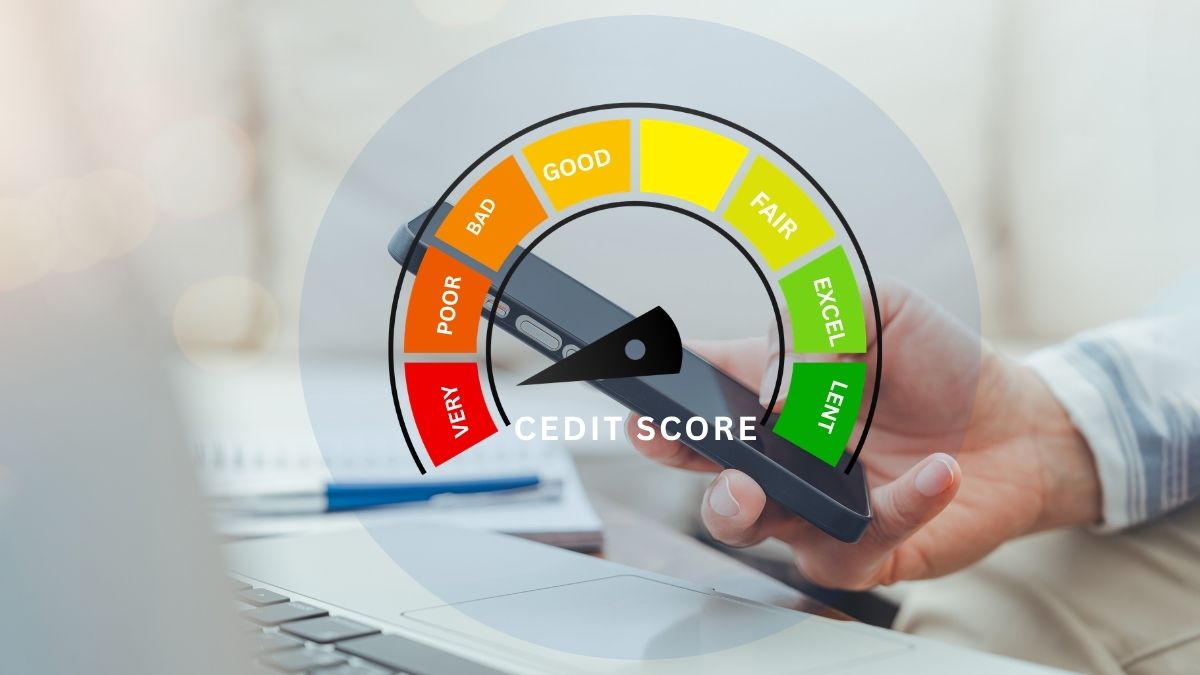

Your credit score represents your financial behaviour. Pay bills on time, and your credit score boosts. Delay debt and bill repayments, and see it drop fast. Hence, it is clear that your financial habits are responsible for it.
Never feel stressed out if your score has dropped. That may make you take wrong and emotional financial decisions. There are ways available to turn things in your favour. Attention to your money management skills in daily life can help improve the situation.
Common habits you need to know to prevent a poor credit score
Knowingly or unknowingly, your daily money habits affect your credit score adversely. As a result, you fail to get a loan during financial emergencies.
Else, you end up taking high-interest bad credit loans that put lenders at a bigger risk of default. But don’t worry, if you avoid the wrong practices that damage your credit score, soon your finances will improve.
Missing or delaying repayments
This is the strongest factor that affects your credit score faster. A credit score reflects your payment behaviour.
This is why, if you are delayed or skip debt repayments, your credit score drops drastically. This also includes your bill payments.
Even a single missed or late payment shows immediately on your report. That directly affects your credit score. If you continue doing it consistently, it is going to get worse.
The habits have their consequences like –
- Low credit score
- Higher rejection rate on loan application
- Higher interest rate in case of loan approval
- Limited borrowing amount
| Why people miss payments? | How to avoid the habit? |
| Spending more than monthly income | Set up auto debits for debt and bills payments |
| Forgetting due dates of payments | Create a monthly budget and prioritise essential expenses |
| Poor budgeting issues | Set payment reminders on phone. |
| Unexpected financial needs | Create an emergency fund to avoid delayed payments |
| Relying on loans too much even for essential expenses | Pay at least the minimum due amount |
Applying for many loans in a short time
When you apply for multiple loans like personal loans, instant cash loans, overdraft, or a credit line in a short time, your credit score drops. It happens because this habit shows you are desperate.
Only a person who depends too much on credit options, even for survival, needs to apply for many loans in a short time.
Every time you apply for a loan, lenders perform a hard credit check. Therefore, applying for many loans means many lenders will be performing a hard credit check on your credit report. This affects your score considerably.
You may do it out of ignorance, not knowing that multiple applications leave search footprints. Hence, whatever your needs, always limit your credit applications.
Ways to apply carefully –
- Get loan quotes through soft check affordability assessment
- Apply for a loan only when necessary
- Wait before applying again after a rejection
- Check eligibility before applying for a loan
- Compare lenders before you apply
High credit usage
This is another common mistake that people usually make, not knowing its consequences. Do you also follow it as a regular practice? If yes, stop it immediately. Do not max out your credit card limits; it affects your credit score drastically.
These are the signs of high credit usage –
- Use of one card to pay other debts
- Frequently maxing out credit limits
- Relying on overdrafts constantly.
- Have no or little money left after making payments
Ways to minimise your credit utilisation
- Spread spending across different cards you have
- Pay card balances early every month
- Request a higher credit limit but spend less
- Avoid spending on unnecessary purchases
- Reduce your outstanding debts gradually but consistently
Closing old credit accounts
This happens out of complete ignorance about credit scores. Many people think that closing an old credit account will improve their credit score. But it backfires and, in fact, causes a sharp drop in your score.
Credit reference agencies assign you a good score based on the length of credit history. The longer the history, the higher the credit score. Hence, when you close an old account, it shortens the credit history length. That directly affects the credit report. Also, it removes the record of positive payment history from your financial records.
Ways to manage old accounts smartly
- Make small purchases to keep old accounts active
- Avoid unnecessary closures
- Pay the full balance each month
- Close only expensive accounts
- Review your account benefits
Not checking your credit report for errors
Your credit report is the record of all credit account activities reported by finance companies to credit reference agencies. For example, when you take a unsecured personal loan, your lender will report about your payment behaviour to the credit reference agencies.
Even a loan query shows on your records whether you take the loan or not.
But when multiple finance companies send information about your actions, errors may happen. Mistakenly, they may send a wrong report.
Types of errors include –
- Duplicate debts
- Wrong address
- Accounts that belong to someone else
- Paid payments marked as pending
- Wrong spelling of your name
- Outdated financial details
If you do not get these errors rectified, your credit score drops sharply. This happens faster when negative information is mentioned in your name. Example: a paid payment mentioned as pending. This causes a drop in your credit score.
Conclusion
The more financially disciplined you are, the faster the recovery from a poor credit score. However, options are available for the best loans for bad credit with customised deals offered by direct lenders.
Make affordable repayments on time and improve your credit score. But why not improve your financial habits and never get into a poor credit situation? That is the best habit to follow, isn’t it?
Just embrace mindful spending habits and pay financial obligations on time. These two things should be sufficient to make a considerable and good change in your credit score performance.

Emma Anderson is a seasoned financial writer and consultant. She has more than eight years of experience in the UK financial and loan sector.
She is so passionate about financial literacy and responsible borrowing. Therefore, Emma has gained specialisation in explaining everything about complex loan products and financial management planning for every borrower.
Before joining the team at Quickloanslender, Emma worked as a financial advisor. She helped number of the UK locals in solving the problems related to their debt consolidation and short-term credit. She has an aim of providing clear, transparent, and actionable advice for everyone. It lets her readers making informed loan decisions according to their affordability.
Each blog, written after deep research, to have personal budgeting tips and financial education.